
Renowned Artist, Paul D. Wegner's Life and Legacy
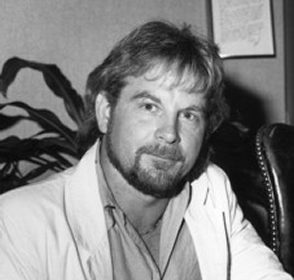
Paul Wegner once explained, "My work is not abstract in the sense that the viewer must stretch his imagination to understand what he sees.
I attempt to take recognizable human forms and by my use of detail, expression and body movement, tell a story – a story which each viewer may then interpret on their own.
Paul was born in New York in 1950, but was raised in Virginia. He was an exceptional athlete in wrestling and football at Washington Lee High School in Virginia. His lifelong passion of sculpting began soon after graduating college, when he started working as a professional sculptor.
Upon graduating from college in 1974, his first big project came to him from the National Geographic Society. He was commissioned to create nine life size figures of primitive man for a new museum exhibit in Washington D.C. Research for this project led Wegner to the works of painter Norman Rockwell, sculptor Rodin, and more importantly, Rodin’s protégé, Malvina Hoffman.
Wegner has been widely praised for his ingenious manipulation of negative space. Developed early in his career, this style deconstructs and reassembles form to emphasize movement, personality, and expression. This technique is evident in his bronze sculptures making them appear to challenge the laws of gravity. “Fragmentation” is a term widely used to define Wegner’s style. It was coined early in his career when he described his technique in an interview with a newspaper reporter in Virginia, as he worked on the “Primitive Man” project.
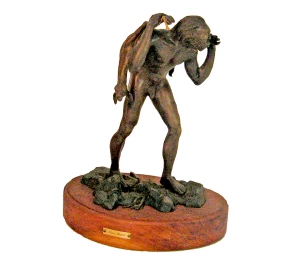
From the Primitive Man Collection
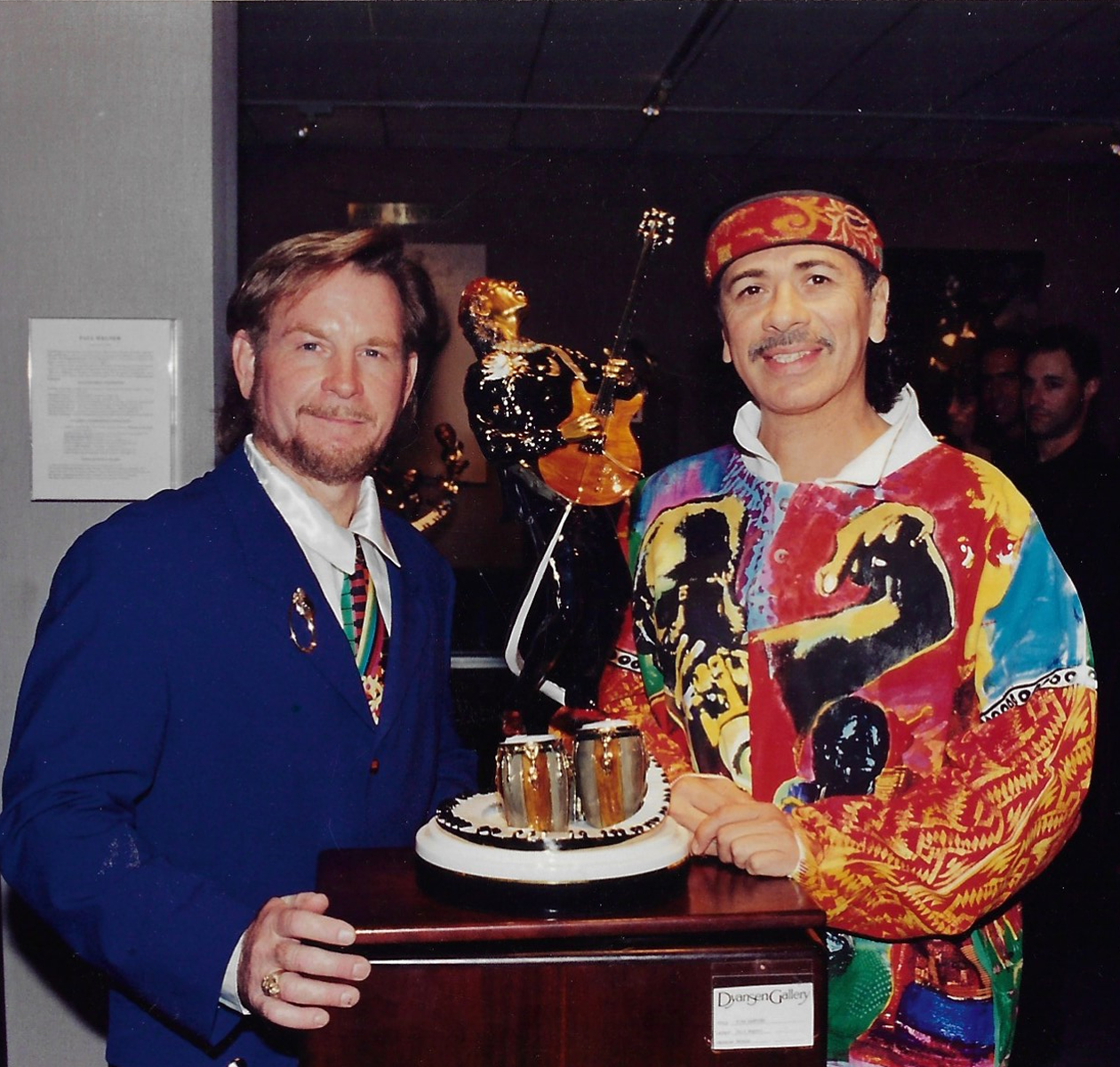
Wegner’s preferred theme was music. He infused his compositions with a vibrant energy that resonates within his sculptures. He was privileged to discuss and learn from jazz, blues and rock-and-roll music icons. These included Pete Fountain, Lionel Hampton, John Lee Hooker, and Carlos Santana.
They inspired a series of sculptures he created in bronze for more than two decades. His free-floating style evokes a musical feel to the designs, allowing the figures to roll with the instruments in a wave of upbeat, visual enjoyment. Just turn on the music and the design seems to come alive.
Wegner Was Honored to Help the Navy Celebrate 100 Years of Submarine Service
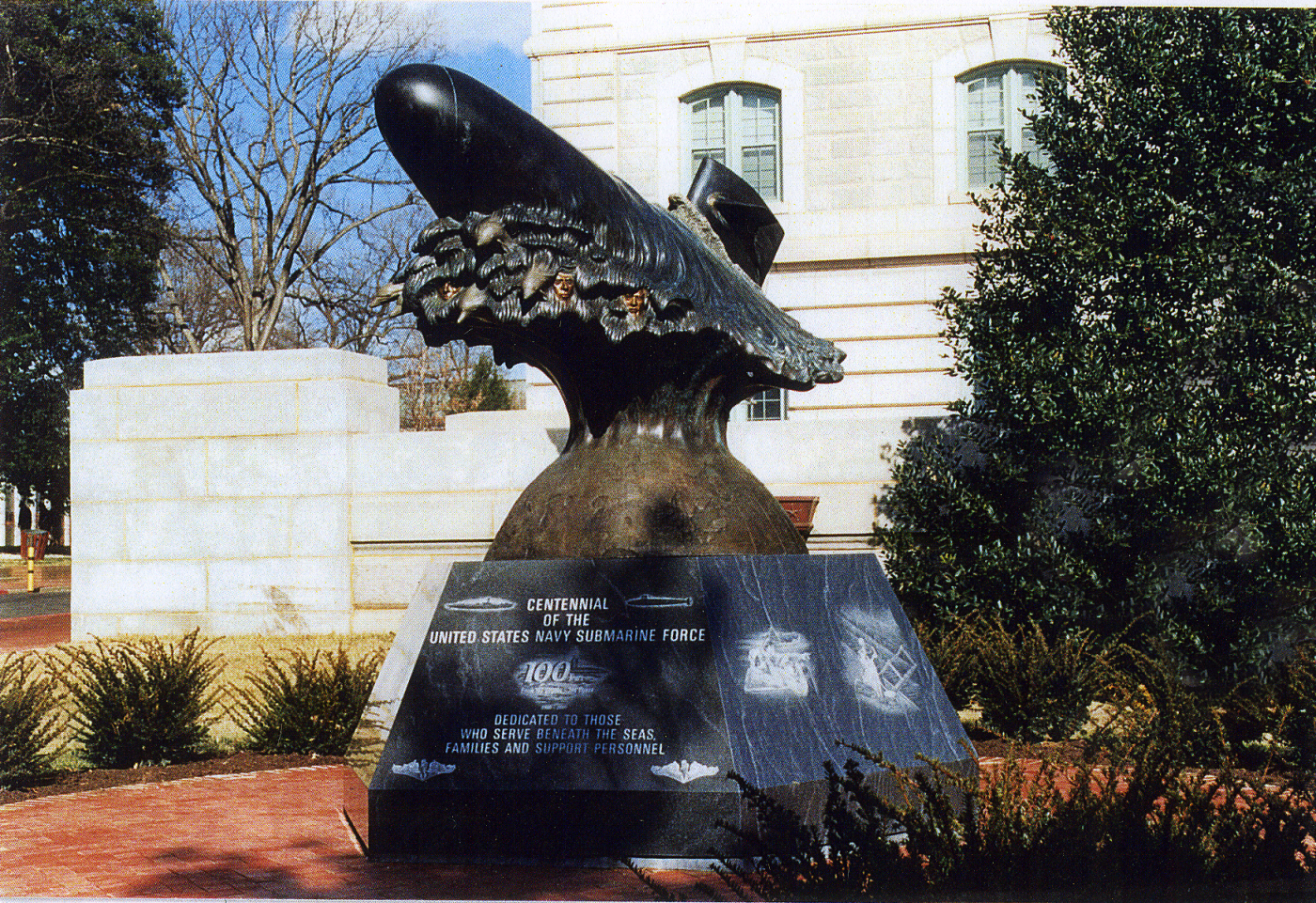
It was Wegner’s honor to be commissioned to create a huge bronze statue depicting 100 years of the U.S. Navy’s submarine service.
It is permanently installed at the Naval Academy in Annapolis, Maryland.
The monument honors the more than 50 submarines lost at sea in the last century, and the 3500 men who gave their lives serving in the submarine forces.
While designing this project, the Navy took Wegner on a 2-day cruise off the coast of San Diego, California. This was aboard the USS Houston, a nuclear submarine.
This submarine was used in filming the movie "The Hunt for Red October". To Wegner’s thrill, the crew performed a "blow", where the submarine rises out of the water at full speed.
This helped him experience something that he was about to portray in bronze.
He considered this adventure to be one of those "once in a lifetime" opportunities.
Other Notable Achievements by Wegner
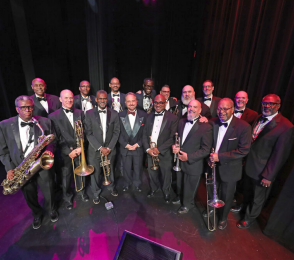
The Lionel Hampton Orchestra
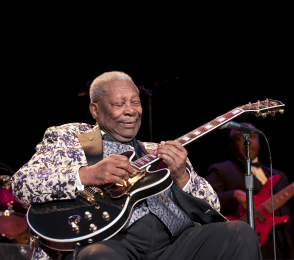
The legendary BB King
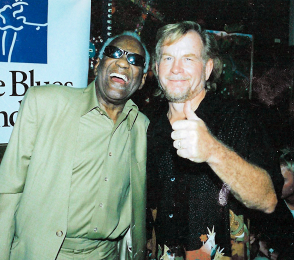
Ray Charles with Paul Wegner
New York Experience
Paul created his Jazz and Blues Series in the early 1980s.
His collection was unveiled at Dyansen Gallery in Soho in 1984.
Lionel Hampton played his music in the gallery on opening night.
Over 450 jazz stations across the United States featured the broadcast.
W.C. Handy & Memphis
Another of Wegner's greatest thrills as a sculptor was in 1988, when he was presented a Blues Award in Memphis by B.B. King and Carl Perkins.
Wegner created a sculpture of W.C. Handy for the First Heritage Museum in Memphis, which was used on stage for the Blues Awards program.
Later the sculpture was used in an important scene in the Academy Award winning film "The Firm".
Wegner won another "Keeping the Blues Alive Award" the following year and was made an honorary board member.
New Orleans
In 1989, Paul Wegner was awarded the "Key to the City" of New Orleans by the Mayor and made an "Honorary Citizen" in appreciation for his many sculptures with New Orleans Jazz themes.
The Hilton Hotel commissioned Paul to create a plaque for a Walk of Fame representing many of those who have influenced the state of Louisiana in a positive way.
Pete Fountain invited Wegner to help lead Mardi-Gras with him in 1995.
The theme that year was "Beauty and the Beast". Wegner chose the beast.
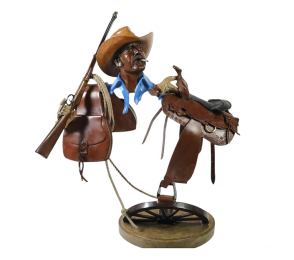
Saddle Up Sculpture
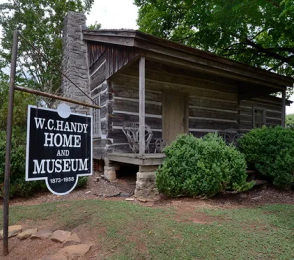
WC Handy's Home and Museum
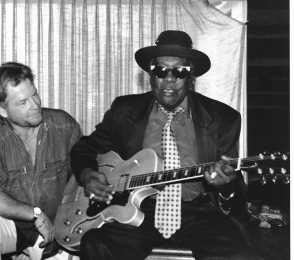
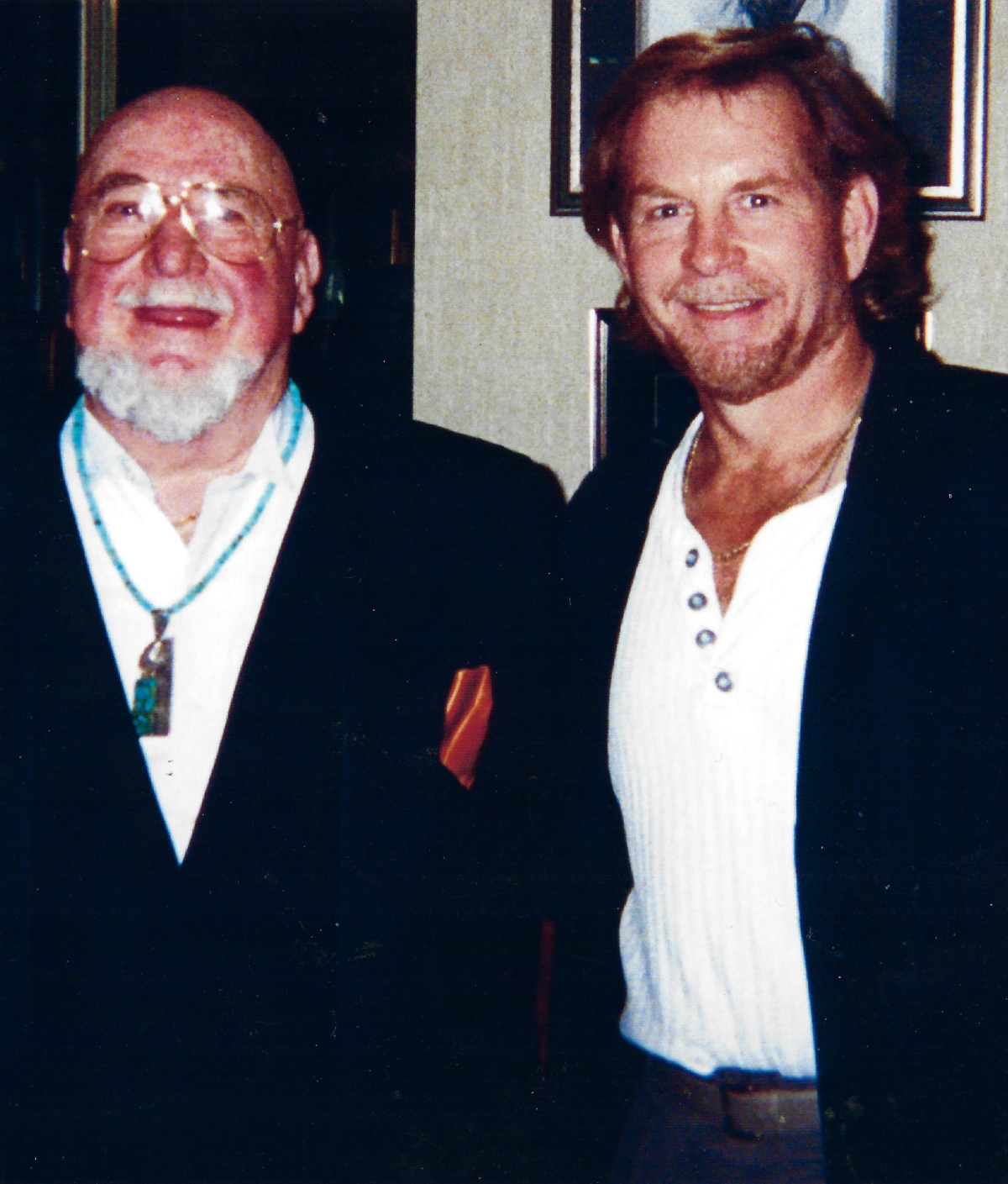
Paul Wegner and John Lee Hooker